
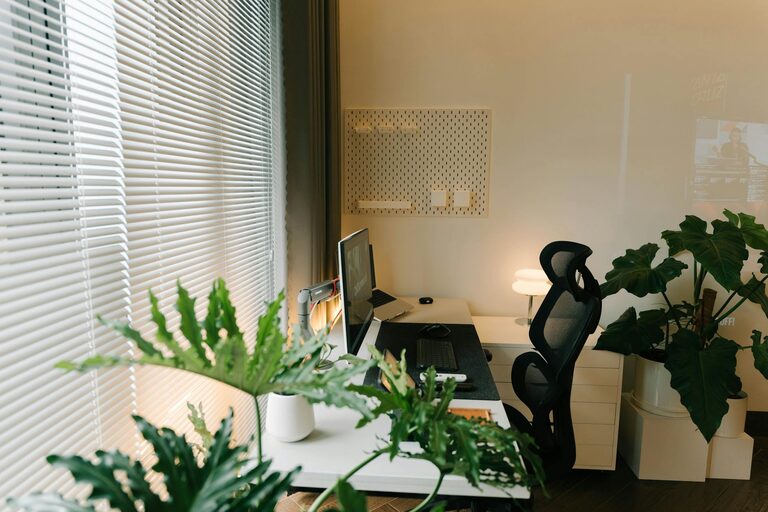
Creating a relaxing home office environment is essential for maintaining focus, reducing stress, and promoting overall well-being while working from home. Whether you’re setting up a new workspace or revamping an existing one, small changes can make a significant difference in how comfortable and productive you feel throughout the day. In this post, we’ll explore a variety of tips and ideas to help you transform your home office into a peaceful and inviting space.
Why a Relaxing Home Office Matters
A home office that feels calm and organized can improve your concentration and creativity. It also helps create a clear boundary between work and personal life, which is important when working remotely. When your workspace is cluttered or chaotic, it can lead to distractions and increased stress, making it harder to complete tasks efficiently.
Choosing the Right Location
When selecting a space for your home office, consider these factors:
– Natural Light: Choose a room or corner with plenty of natural light. Sunlight helps regulate your body clock and boosts mood.
– Quiet Area: Opt for a spot away from noisy traffic, household activities, or high-traffic areas to minimize interruptions.
– Comfortable Size: Make sure there is enough room for your desk, chair, and any equipment you need, without feeling cramped.
Ergonomic Furniture Matters
Comfortable, supportive furniture is the foundation of a relaxing office.
– Desk: Pick a desk that fits your work style and provides enough surface area for your computer, notebooks, and accessories.
– Chair: Invest in an ergonomic chair with adjustable height, lumbar support, and comfortable cushioning to prevent back pain.
– Monitor Position: Position your computer screen at eye level to reduce neck strain. Use a monitor stand or adjustable arm if necessary.
Keep Your Space Organized and Clutter-Free
An organized space helps reduce distractions and creates a sense of calm.
– Storage Solutions: Use shelves, filing cabinets, and desk organizers to keep papers and supplies neatly stored.
– Daily Tidy-Up: Spend a few minutes at the end of each day decluttering your desk.
– Minimalism: Only keep what you need regularly on your desk to avoid visual clutter.
Add Calming Colors and Decor
Colors influence mood and energy. Choose shades and decorations that promote relaxation and focus.
– Color Palette: Soft blues, greens, and neutral tones tend to have calming effects.
– Artwork: Hang inspiring or serene artwork to create a pleasant atmosphere.
– Plants: Introduce indoor plants to add a touch of nature and improve air quality.
Control Lighting to Reduce Eye Strain
Proper lighting can reduce fatigue and headaches.
– Layered Lighting: Combine natural light with different light sources such as desk lamps and overhead lights.
– Adjustable Lamps: Use lamps with adjustable brightness or color temperature to suit your tasks.
– Avoid Glare: Position your screen and desk lamp to prevent reflections and glare.
Incorporate Relaxation Breaks
Creating reminders for short breaks enhances overall well-being.
– Timer Apps: Use apps to prompt regular breaks from the screen.
– Stretching: Incorporate simple stretches or breathing exercises during breaks.
– Dedicated Relaxation Spot: If space allows, add a comfortable chair or cushion nearby to step away from your desk for a moment.
Personalize Your Workspace
Adding personal touches makes your office feel welcoming and uniquely yours.
– Photos or Mementos: Include a few meaningful items to uplift your mood.
– Favorite Scents: Use a diffuser with calming essential oils like lavender or eucalyptus.
– Music or Sound: Play soft background music or nature sounds if it helps you focus.
Manage Technology and Distractions
Technology is essential but can also cause interruptions.
– Cable Management: Use clips or sleeves to organize cables and reduce visual clutter.
– Notifications: Turn off non-urgent notifications during focused work sessions.
– Dedicated Work Tools: Keep work and personal devices separate when possible.
Keep Air Fresh and Comfortable
Good air quality and temperature make a big difference in comfort.
– Ventilation: Open windows when weather permits or use an air purifier.
– Temperature: Use fans or heaters to maintain a comfortable temperature.
– Humidity: Consider a humidifier if the air is dry.
Final Thoughts
Designing a relaxing home office might take some planning and experimentation, but the benefits are well worth it. A comfortable, organized, and serene workspace can help you stay focused, improve your mood, and maintain a healthy balance between work and home life. Start by making small adjustments and gradually build an environment that supports your productivity and well-being.
By following these tips, you’ll create a home office that not only looks appealing but also feels like a calm sanctuary tailored to your working needs.