
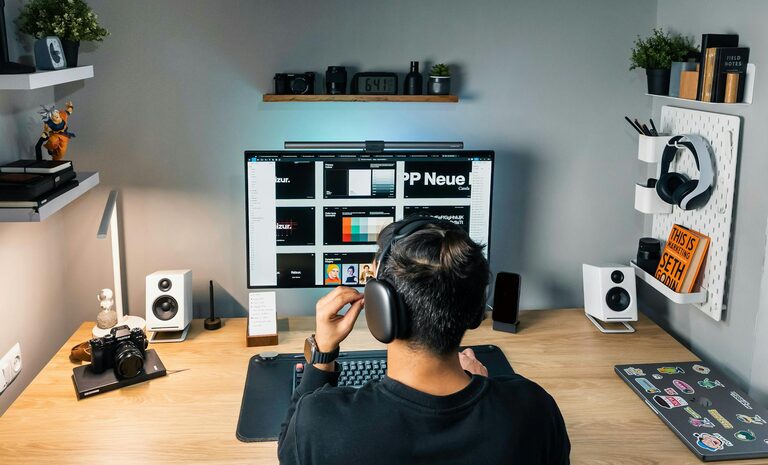
Creating a home office that balances comfort and productivity can significantly improve your work-from-home experience. Whether you have a dedicated room or a small corner, making your workspace cozy and functional is essential for staying motivated and efficient. Here are some helpful tips to guide you in designing an ideal home office space.
Choose the Right Location
Consider Natural Light
Select a spot in your home that gets plenty of natural light. Sunlight helps boost mood and alertness, making it easier to stay focused. Ideally, place your desk near a window but avoid direct glare on your computer screen by using sheer curtains or blinds.
Minimize Distractions
Find a quiet area, away from heavy foot traffic or noisy appliances. If possible, designate a space that can be exclusively used for work to mentally separate professional tasks from home life.
Invest in Comfortable Furniture
Ergonomic Chair
A supportive, adjustable chair is a must-have for long working hours. Look for one with good lumbar support, adjustable height, and comfortable padding to reduce strain on your back and neck.
Functional Desk
Your desk should be spacious enough for your computer, notebooks, and other essentials. If space is limited, consider wall-mounted foldable desks to maximize room.
Additional Seating
If space permits, add a small cozy chair or couch where you can read or take breaks. This enhances comfort and allows you to change positions during the day.
Organize Your Workspace Efficiently
Declutter Regularly
Keep only what you need on your desk. A clutter-free workspace helps reduce stress and distractions.
Use Storage Solutions
Use shelves, filing cabinets, or desk organizers to keep documents, supplies, and gadgets tidy. Labeling drawers and containers can save time when searching for items.
Cable Management
Tidy cables and cords with clips or tubes to prevent mess and safety hazards. Clean cable management creates a more polished and less stressful environment.
Personalize Your Space
Add Plants
Indoor plants improve air quality and add a touch of nature. They also promote relaxation and creativity.
Use Calming Colors
Choose colors like soft blues, greens, or neutrals that promote calmness and focus. Avoid overly bright or harsh colors that may cause eye strain.
Incorporate Artwork and Photos
Hang artwork or photos that inspire you. Personal touches make your workspace feel welcoming and encourage positive emotions.
Optimize Lighting
Layer Your Lighting
Combine natural light with task lighting and ambient light. A desk lamp with adjustable brightness helps reduce eye strain and allows you to work comfortably at any time.
Use Warm Light Bulbs
Warm light creates a cozy atmosphere. Avoid cool or fluorescent lighting, which can feel harsh and tiring over time.
Manage Noise Levels
Use Noise-Cancelling Headphones
If you live in a noisy environment, noise-cancelling headphones can help you stay focused.
Play Background Music
For some, soft background music or white noise can improve concentration. Experiment to see what works best for you.
Create a Routine and Keep It Separate
Stick to Regular Hours
Establishing set work hours helps maintain a balance between work and personal life.
Keep Your Workspace for Work Only
Avoid using your home office for leisure activities so your brain associates the space with productivity.
Incorporate Technology Wisely
Reliable Internet Connection
Ensure your internet connection is stable for video calls and online tasks.
Invest in Quality Equipment
A good keyboard, mouse, and monitor can improve comfort and efficiency.
Backup Solutions
Use cloud storage or external drives to protect your work and maintain organization.
Take Care of Your Well-Being
Schedule Breaks
Incorporate short breaks throughout your day to stretch and relax your eyes.
Keep Hydrated and Snack Smart
Keep a water bottle and healthy snacks nearby to maintain energy levels without disrupting your workflow.
—
Designing a cozy and productive home office isn’t about having the biggest or most expensive setup. It’s about creating a space tailored to your work style and comfort needs. By following these tips, you can transform any corner of your home into an inspiring, efficient place to work.