
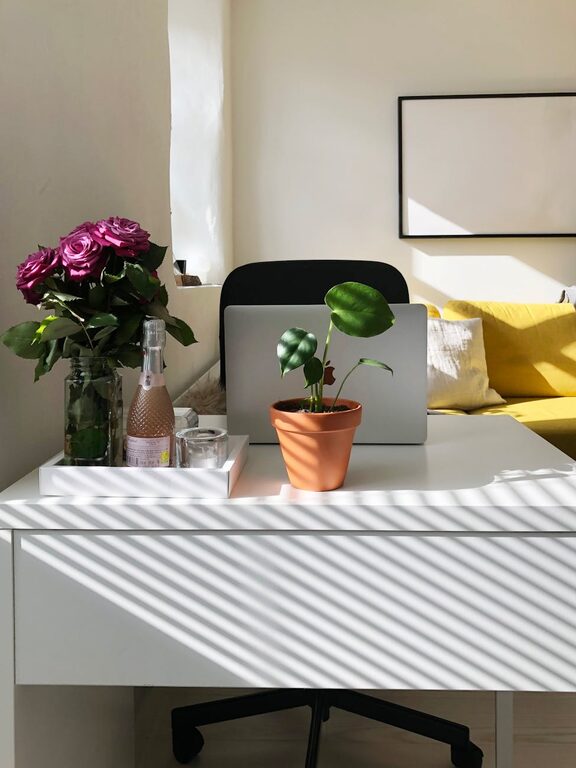
Creating a relaxing home workspace can make a big difference in your daily productivity and overall comfort. Whether you work from home full-time or occasionally, having a dedicated area that feels inviting and efficient helps you focus and reduce stress. Here’s a guide with practical tips to help you set up a workspace that is both calming and productive.
Why a Relaxing Workspace Matters
Your work environment directly affects your mindset and how well you perform tasks. A cluttered, noisy, or uncomfortable space can lead to distractions, fatigue, and frustration. On the other hand, a space designed thoughtfully for relaxation and productivity promotes focus, creativity, and well-being.
Choose the Right Location
Consider Natural Light
Try to set up your workspace near a window if possible. Natural light boosts mood and energy, helping you stay alert throughout the day. Avoid glare on your computer screen by positioning your desk perpendicular to the window.
Minimize Noise Distractions
Select a quiet corner or room away from household traffic. If complete silence isn’t possible, consider noise-cancelling headphones or a white noise machine to help block out distractions.
Separate Work and Relaxation Zones
If space allows, keep your workspace separate from where you relax or sleep. This physical boundary helps your brain associate the work area with productivity and other spaces with rest.
Invest in Comfortable and Functional Furniture
Ergonomic Chair and Desk
Comfort is key for long work sessions. Choose an ergonomic chair with proper lumbar support to reduce back strain. Adjustable desks that allow standing or sitting can help improve posture and circulation.
Desk Organization
A clean and clutter-free desk promotes calmness. Use organizers, trays, or drawers to keep supplies like pens, notebooks, and gadgets neatly stored. Only keep essential items within easy reach.
Personal Touches
Add some personality to your space without overwhelming it. A favorite photo, a small plant, or tasteful artwork can make your workspace feel more welcoming and personalized.
Optimize Lighting and Colors
Use Layered Lighting
In addition to natural light, include a combination of overhead lighting, task lighting (like a desk lamp), and ambient lighting to reduce eye strain. Warm-toned bulbs tend to create a more relaxing atmosphere.
Choose Soothing Colors
Colors influence mood and concentration. Soft blues, greens, or neutrals are popular choices for workspaces because they promote calmness and focus. Avoid overly bright or distracting colors.
Incorporate Elements of Nature
Add Indoor Plants
Plants not only improve air quality but also bring life and tranquility to your workspace. Easy-care plants like snake plants or pothos are great choices for office environments.
Natural Materials
If possible, add natural textures such as a wooden desk, bamboo accessories, or cotton fabrics. These elements contribute to a grounded, serene ambience.
Manage Technology Wisely
Keep Wires Organized
Tangled cords can create visual clutter and stress. Use cable organizers or clips to keep wires neat and out of sight.
Limit Distractions
Turn off non-essential notifications on your computer and phone during work hours. Consider apps that block distracting websites to maintain focus.
Establish a Comfortable Climate
Make sure your workspace has adequate ventilation and temperature control. A room that’s too hot, cold, or stuffy can impact concentration and comfort. A small desk fan or heater can help adjust conditions locally.
Take Breaks and Move
Even with the ideal workspace setup, sitting for too long can strain your body and mind. Schedule regular breaks to stretch, walk, or do simple exercises. Moving around refreshes your focus and reduces fatigue.
Personal Productivity Enhancements
Use a Planner or To-Do List
Keep a planner on your desk or use digital task managers to organize your workday. Clear goals and schedules help you stay on track without feeling overwhelmed.
Background Music or Sounds
Some people find soft instrumental music or nature sounds help improve concentration. Experiment to see if this helps you stay relaxed and productive.
Final Thoughts
Creating a relaxing home workspace is about balancing comfort with efficiency. By carefully selecting your location, furniture, lighting, and decor, you can build an environment that supports your best work while promoting well-being. Remember, your workspace should evolve with your needs, so take time to adjust and personalize it as you discover what works best for you. With these tips, you’ll be well on your way to enjoying a productive and pleasant home working experience.