
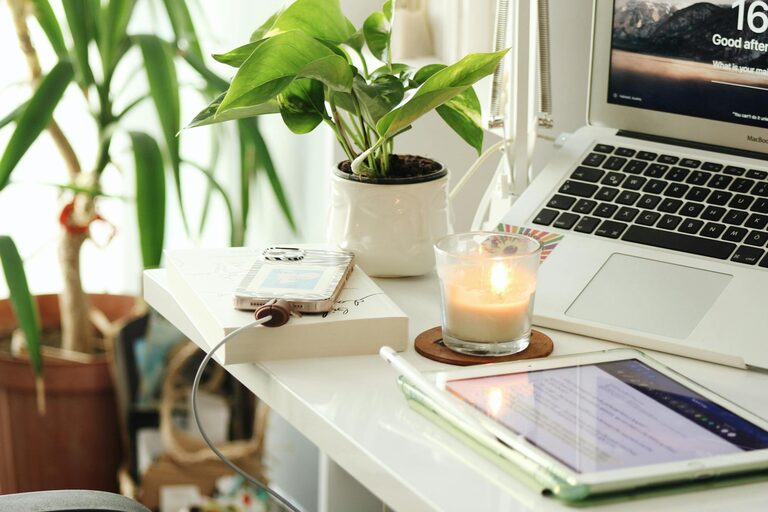
Creating a productive home office environment is essential for anyone working remotely or managing tasks from home. A well-designed workspace can improve focus, reduce stress, and increase overall efficiency. Whether you have an entire room or just a small corner for your office, the following tips will help you shape a productive and comfortable space.
1. Choose the Right Location
Selecting the best spot in your home for a workspace sets the foundation for productivity.
– Quiet and low-traffic area: Aim for a place with minimal distractions and noise.
– Good natural light: Natural light helps reduce eye strain and improves mood.
– Separate from leisure spaces: Avoid working where you watch TV or relax to maintain work-life boundaries.
If space is limited, try using room dividers or screens to create a sense of separation.
2. Invest in Ergonomic Furniture
Comfort plays a big role in how well you can focus throughout the day.
– Ergonomic chair: Look for a chair with adjustable height, lumbar support, and comfortable cushioning.
– Desk height: Ensure your desk allows your arms to rest comfortably with wrists straight while typing.
– Monitor placement: Place your computer screen at eye level about an arm’s length away to avoid neck and eye strain.
Ergonomic furniture helps prevent physical discomfort and can boost your endurance during long workdays.
3. Optimize Lighting
Proper lighting creates a pleasant atmosphere and prevents fatigue.
– Use daylight as much as possible: Position your desk near a window.
– Add task lighting: Adjustable lamps focused on your work area help if natural light is insufficient.
– Avoid glare: Arrange screens and lighting to prevent reflections and bright spots.
Good lighting supports alertness and reduces headaches commonly caused by poor visibility.
4. Organize and Declutter
A neat workspace keeps your mind clear and tasks manageable.
– Keep only essentials: Store non-essential items elsewhere to avoid distractions.
– Use storage solutions: Shelves, drawers, and organizers help maintain order.
– Develop filing systems: Organize digital and paper documents for easy access.
Taking a few minutes each day to tidy up prevents buildup and saves time in the long run.
5. Personalize Your Space Wisely
Adding personal touches can make your office more inviting but avoid clutter.
– Incorporate plants: Small plants boost mood and improve air quality.
– Add inspiring items: Artwork or motivational quotes can provide encouragement.
– Keep color schemes balanced: Choose soothing or energizing colors based on personal preference.
Personalization makes the environment comfortable and motivating without overwhelming the workspace.
6. Minimize Distractions
Staying focused is easier when interruptions are limited.
– Set clear boundaries with family or housemates: Communicate your work hours.
– Use noise-canceling headphones: They help block out background noise.
– Turn off unnecessary notifications: Limit phone and computer alerts during work sessions.
Creating an environment tailored to concentration supports better time management.
7. Incorporate Break Areas and Movement
Incorporate ways to stay active and refreshed throughout your day.
– Stretch regularly: Use a timer to remind you to stand up and stretch every hour.
– Create a separate spot for breaks: A chair or cushion away from your desk encourages mental rest.
– Consider a standing desk: Alternating between sitting and standing can improve circulation.
Taking breaks boosts productivity by preventing burnout and maintaining energy.
8. Use Technology to Your Advantage
Technology helps streamline work but should be well managed.
– Organize cables: Use clips or sleeves to keep cords tidy.
– Invest in reliable equipment: Good internet, a quality headset, and fast devices reduce frustrations.
– Utilize productivity apps: Tools for scheduling, task management, and focus can enhance workflow.
Combining practical tech with an organized setup adds efficiency to your home office.
—
Final Thoughts
Creating a productive home office environment is about balancing comfort, organization, and focus. By choosing a suitable location, investing in ergonomic furniture, optimizing lighting, and keeping your space clutter-free, you can build a workspace that supports your work and well-being. Remember, small changes can make a big difference in how effectively you work from home. Take the time to design a space that feels good and helps you do your best every day.