
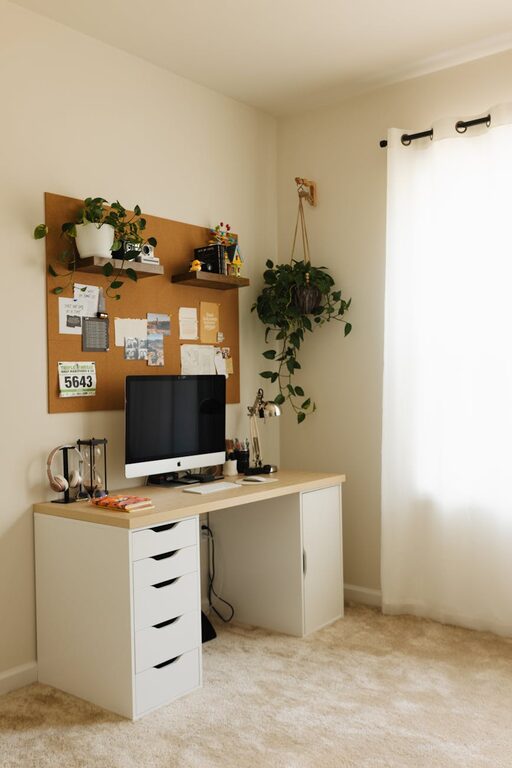
Creating a home office that feels cozy yet remains practical can greatly enhance your productivity and overall well-being while working from home. Whether you have a dedicated room or just a small corner, thoughtfully designing your workspace can transform how you approach your day. In this post, we’ll explore helpful tips to build a comfortable and efficient home office space.
Choose the Right Location
Selecting where to set up your home office is the first step. Ideally, pick a quiet area with good natural light. Natural light helps reduce eye strain and boosts mood, making it easier to stay focused. If natural light is limited, invest in quality lighting to keep the space bright and inviting.
Consider:
– A spare room, guest room, or nook in your living area
– Proximity to windows without glare on your computer screen
– Minimal distractions and foot traffic
Invest in Ergonomic Furniture
Comfort is key when you spend long hours working. Choosing ergonomic furniture helps prevent physical discomfort and encourages better posture.
Essentials include:
– An adjustable chair with good lumbar support
– A desk at a comfortable height to avoid strain on your wrists and shoulders
– A keyboard and mouse positioned properly
If space is tight, explore options like foldable desks or wall-mounted shelves to maximize functionality.
Organize with Purpose
Clutter can disrupt your focus and add unnecessary stress. Keeping your home office neat and organized improves efficiency.
Try these organization tips:
– Use drawer organizers or desk trays to keep supplies tidy
– Add shelves or filing cabinets for paperwork and books
– Employ cable management solutions to avoid tangled cords
Label storage containers for quick access and regularly declutter to maintain order.
Personalize Your Space
A workspace that reflects your personality feels welcoming and inspiring.
Ways to personalize:
– Hang art or photos that motivate you
– Add plants for a touch of nature and better air quality
– Choose colors that soothe or energize, depending on your preference
Just remember to keep decorations minimal to avoid distractions.
Prioritize Good Lighting
As mentioned, lighting plays a significant role.
Tips for lighting:
– Combine ambient, task, and natural light sources
– Use adjustable desk lamps for focused lighting on work tasks
– Avoid harsh overhead lights that can cause glare
Proper lighting reduces eye fatigue and enhances your mood.
Incorporate Storage Solutions
Smart storage helps keep your workspace clutter-free and everything within reach.
Consider:
– Wall-mounted organizers or pegboards for supplies
– Rolling carts for flexibility and extra storage
– Closed cabinets to hide less attractive items
Evaluate what you need regularly and choose storage that fits your space.
Maintain a Comfortable Environment
Temperature and air quality affect comfort and productivity.
Suggestions include:
– Use a fan, heater, or humidifier to regulate temperature
– Open windows for fresh air when possible
– Choose comfortable flooring, such as a soft rug underfoot
A pleasant workspace encourages longer focus and reduces fatigue.
Set Boundaries and Establish Routine
Creating clear boundaries between work and home life helps maintain balance.
Helpful practices:
– Define specific work hours and stick to them
– Keep your workspace for work only, avoiding casual activities there
– Take regular breaks and step away from your desk
This structure supports mental clarity and work-life harmony.
—
Designing a cozy and functional home office is about balancing comfort, organization, and efficiency. With the right location, ergonomic furniture, effective organization, and personal touches, you can create a space that supports your productivity and well-being. Start small, and adjust your setup as you discover what helps you work best.