
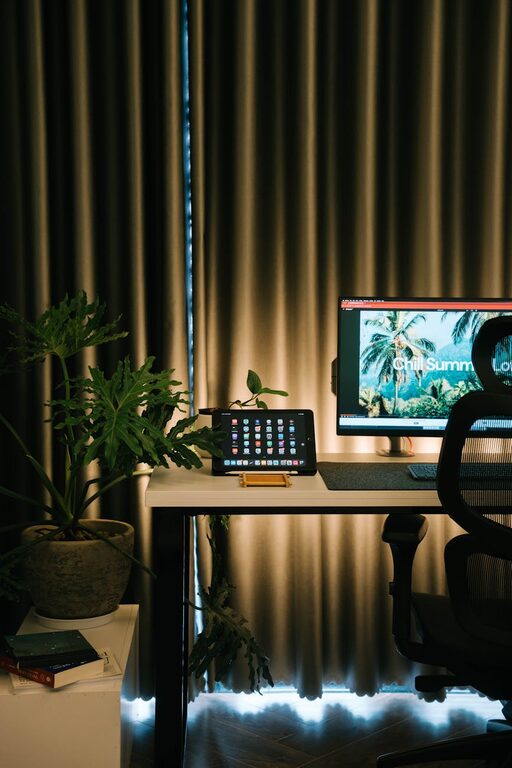
Creating a dedicated area in your home where you can work comfortably and efficiently is essential, especially as remote work becomes more common. A relaxing home workspace doesn’t just make your day more pleasant—it can also boost your productivity by reducing stress and distractions. In this post, we’ll explore practical tips to help you design a workspace that feels calm, inviting, and supports your best work.
Why a Relaxing Workspace Matters
Your work environment significantly impacts how you focus, how long you can maintain concentration, and your overall mood. A cluttered or uncomfortable area can cause stress and reduce efficiency. On the other hand, a well-organized and peaceful workspace encourages creativity, reduces fatigue, and helps you stay motivated throughout the day.
Choose the Right Location
Find a Quiet Spot
Choose a place that is as free from distractions as possible. Avoid areas with heavy foot traffic or noise from TVs or kitchens. If space is limited, consider a corner in a bedroom or a nook by a window.
Prefer Natural Light
Natural light is proven to improve mood and alertness. Try to set up your desk near a window where sunlight can enter but avoid direct glare on your screen. If natural light is limited, invest in good quality lamps that mimic natural daylight.
Invest in Comfortable and Functional Furniture
Supportive Chair
Spend time selecting a chair that provides good back support and encourages good posture. Comfort here is key since you’ll likely spend hours seated.
Desk Space
Ensure your desk has enough room for your computer, notebook, and other essentials without becoming cluttered. A spacious desk allows you to organize your work better and switch tasks easily.
Declutter and Organize
Keep Essentials Handy
Organize your workspace so that only the items you frequently need are within reach. Use drawer organizers, trays, or small containers to keep supplies neat and accessible.
Minimize Paper and Digital Clutter
Regularly sort through papers and files, keeping only what’s necessary. Similarly, manage your digital files to reduce time wasted searching for information.
Personalize Without Overdoing It
Adding a few personal touches—like a favorite photo, an inspiring quote, or a small plant—can make your workspace feel inviting. However, avoid cluttering the space with too many items that might distract you.
Use Calming Colors and Decorations
Colors can influence your mindset. Soft, neutral tones, pastels, or calming blues and greens are great choices for a relaxing workspace. Consider wall art or accessories that inspire tranquility without overwhelming the senses.
Pay Attention to Ergonomics
Monitor Height
Your computer screen should be at eye level to reduce neck strain. Use monitor stands if needed.
Keyboard and Mouse Placement
Keep them at a comfortable height so your wrists stay straight. Wrist rests can help prevent discomfort during extended use.
Take Regular Breaks
Set reminders to stand up, stretch, or take a short walk every hour. Moving around reduces physical tension and refreshes your focus.
Manage Noise Levels
If a quiet spot isn’t available, consider noise-cancelling headphones or playing soft background music or nature sounds to block out disturbances.
Incorporate Greenery
Adding plants to your workspace can improve air quality and reduce stress. Choose low-maintenance varieties like succulents or spider plants that thrive indoors.
Control Temperature and Air Quality
Make sure your workspace is neither too hot nor too cold. Good ventilation helps you stay alert, while fresh air can reduce fatigue.
Establish a Routine
Create habits like organizing your desk at the end of each day or designating specific times for focused work versus breaks. A routine helps your mind associate the space with productivity.
—
Final Thoughts
Designing a relaxing home workspace takes some effort, but the benefits for your well-being and productivity are well worth it. By choosing the right location, investing in comfort, organizing thoughtfully, and adding personal touches, you can create an environment where you feel motivated and calm throughout your workday.
Try implementing a few of these tips and watch how your home office transforms into a space that supports both relaxation and efficient work.